Alcohol and Anxiety: Why Drinking Makes Anxiety Worse

Updated: Nov 12
Alcohol and Anxiety: Why Drinking to Calm Down Makes Anxiety Worse
For a lot of people it starts small. A glass of wine after a stressful day. A couple of drinks to get through a party where you don't know anyone. Something to quieten your head so you can sleep.
And at first, it helps. That first drink really does take the edge off.
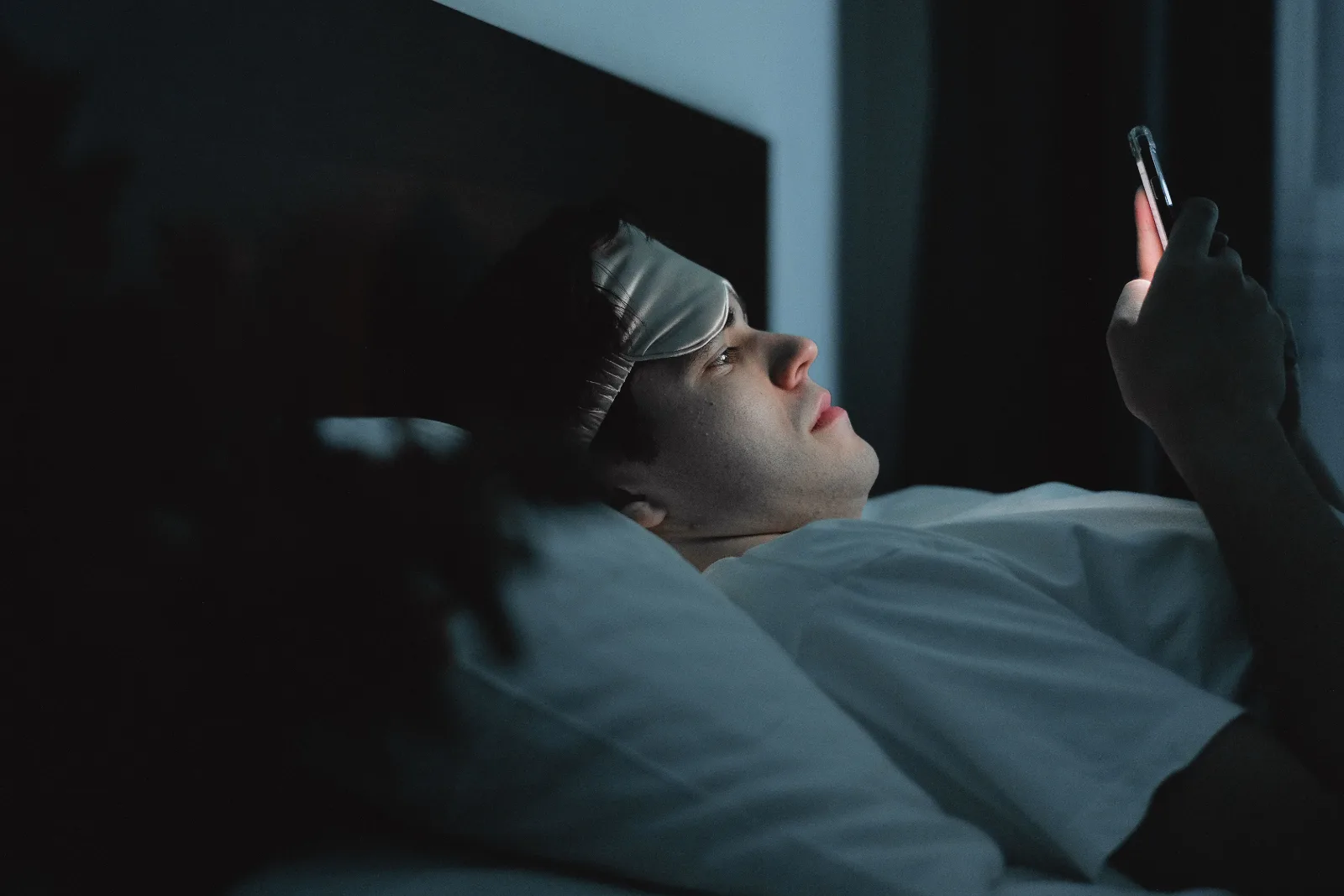
Then the pattern shifts. The calm doesn't last as long. You wake at 3am with your heart going, going over everything you said the night before. And the anxiety you were trying to settle feels bigger than when you started.
Many of the people we work with describe exactly this. Here's why it happens.
Why a drink feels calming
Your brain keeps itself balanced using two main chemical signals:
GABA works like a brake. It slows things down and helps you relax.
Glutamate works like an accelerator. It keeps you alert and switched on.
Alcohol boosts GABA and quietens glutamate. It presses the brake and eases off the accelerator at the same time. Your muscles loosen, your thoughts slow down, and social situations feel easier.
So drinking to manage anxiety isn't irrational. In the short term, it works.
Why it backfires
The brain doesn't like being pushed off balance. When alcohol keeps pressing the brake, the brain adapts. It becomes less responsive to GABA and more responsive to glutamate, so you can keep functioning.
Then the alcohol wears off. The brake is now weaker than usual and the accelerator more sensitive than usual. You're left with a nervous system that's more wired than it was before you had a drink.
That's why so many people wake in the early hours after drinking, heart racing, mind racing. The alcohol has gone, but the brain hasn't caught up yet.
Hangxiety
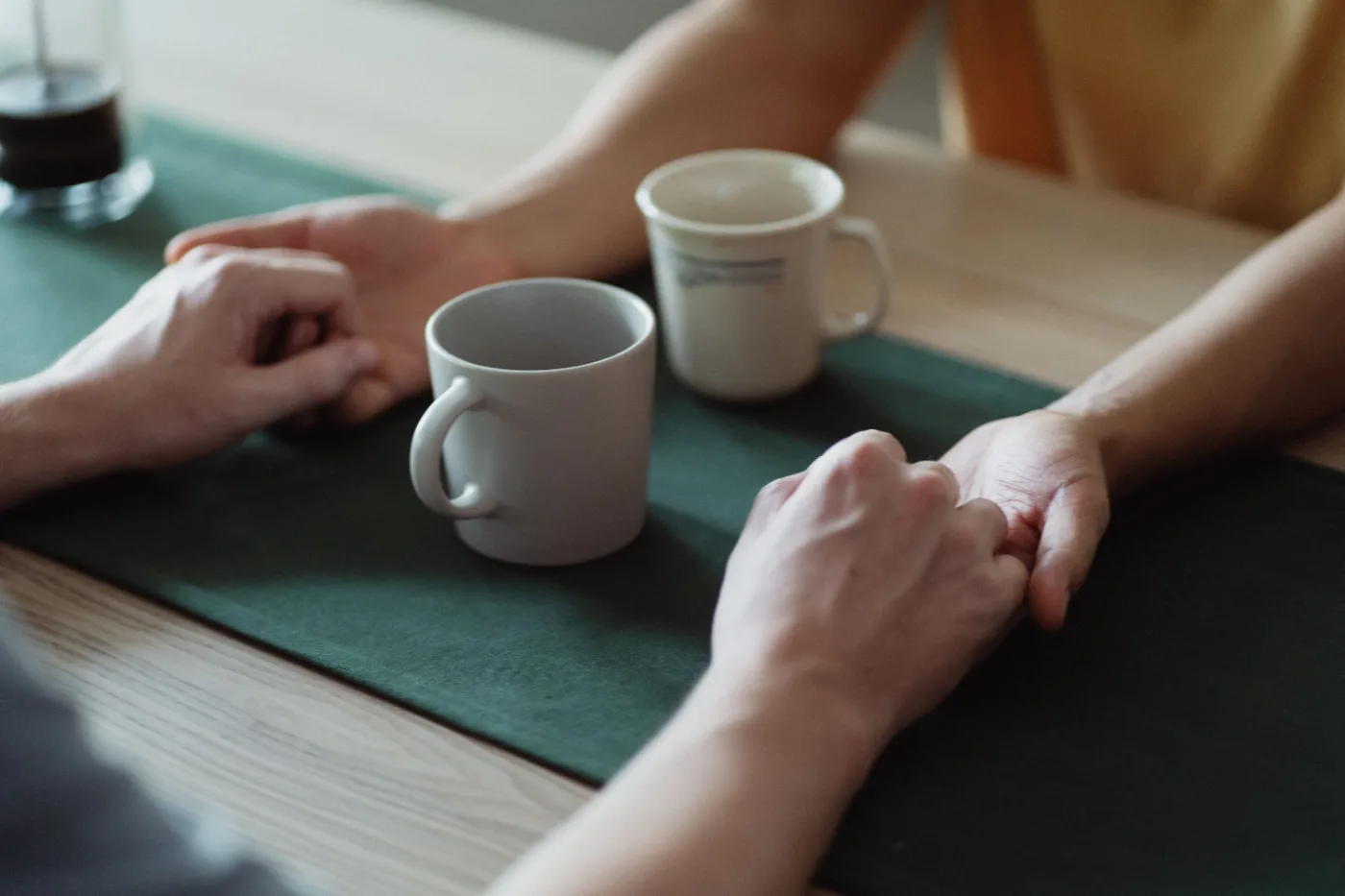
There's a name for the dread, guilt and nervousness that can come with a hangover: hangxiety.
A 2019 study of social drinkers, published in Personality and Individual Differences, found that people who described themselves as very shy felt a little calmer while drinking but much more anxious than other drinkers the next morning. The researchers also found that severe hangxiety was linked with signs of problem drinking.
So the people who use alcohol to feel more at ease are often the ones who pay for it the next day.
Brain chemistry isn't the only cause. Hangxiety is also fed by:
Poor sleep. Alcohol helps you drop off, but it breaks up the second half of the night. A tired brain is an anxious brain.
Dehydration and low blood sugar, which cause shakiness and a fast heartbeat that can feel a lot like panic.
Gaps in memory. Not being sure what you said, or how you came across, adds a layer of worry on top.
How drinking to cope keeps anxiety going
Put those together and you get a loop that's very easy to fall into. You feel anxious, so you drink. The anxiety eases, then comes back stronger when the alcohol wears off. You feel worse, so you drink again.
Over time you need more to get the same calm. And because alcohol is always doing the job, you never get the chance to find other ways of handling anxiety.
This is how drinking to cope can slowly turn into dependence, and why anxiety and alcohol problems so often turn up together. Each makes the other more likely, and each makes the other harder to treat on its own.
Which came first?
Some people had anxiety long before they started drinking. For others, the drinking came first and the anxiety followed. Often it's impossible to say, and it doesn't really matter. Both need attention.
One useful clue is what happens after a few weeks without alcohol. Anxiety that was mostly caused by drinking often settles noticeably once the brain rebalances. Anxiety that was there underneath needs its own care. That's why we look at both together, rather than assuming fixing one will fix the other.
Signs your drinking and anxiety are linked
You drink mainly to calm down, sleep, or cope with social situations
You feel more anxious the day after drinking than you did before
You wake in the early hours with a racing heart after a night out
You avoid situations where you can't drink
You need more to get the same calming effect
Cutting back leaves you shaky, on edge or panicky
If several of these sound like you, nothing is wrong with you. Your nervous system has learned to lean on alcohol, and it can learn other ways.
Starting to break the cycle
Notice the pattern. For a couple of weeks, jot down how anxious you feel before drinking, while drinking, and the next morning. Seeing it written down can change how you think about that first drink.
Expect a rough patch first. When you cut back or stop, anxiety can rise for a while as your brain rebalances. For many people it then settles lower than it was before. Knowing that makes it easier to get through.
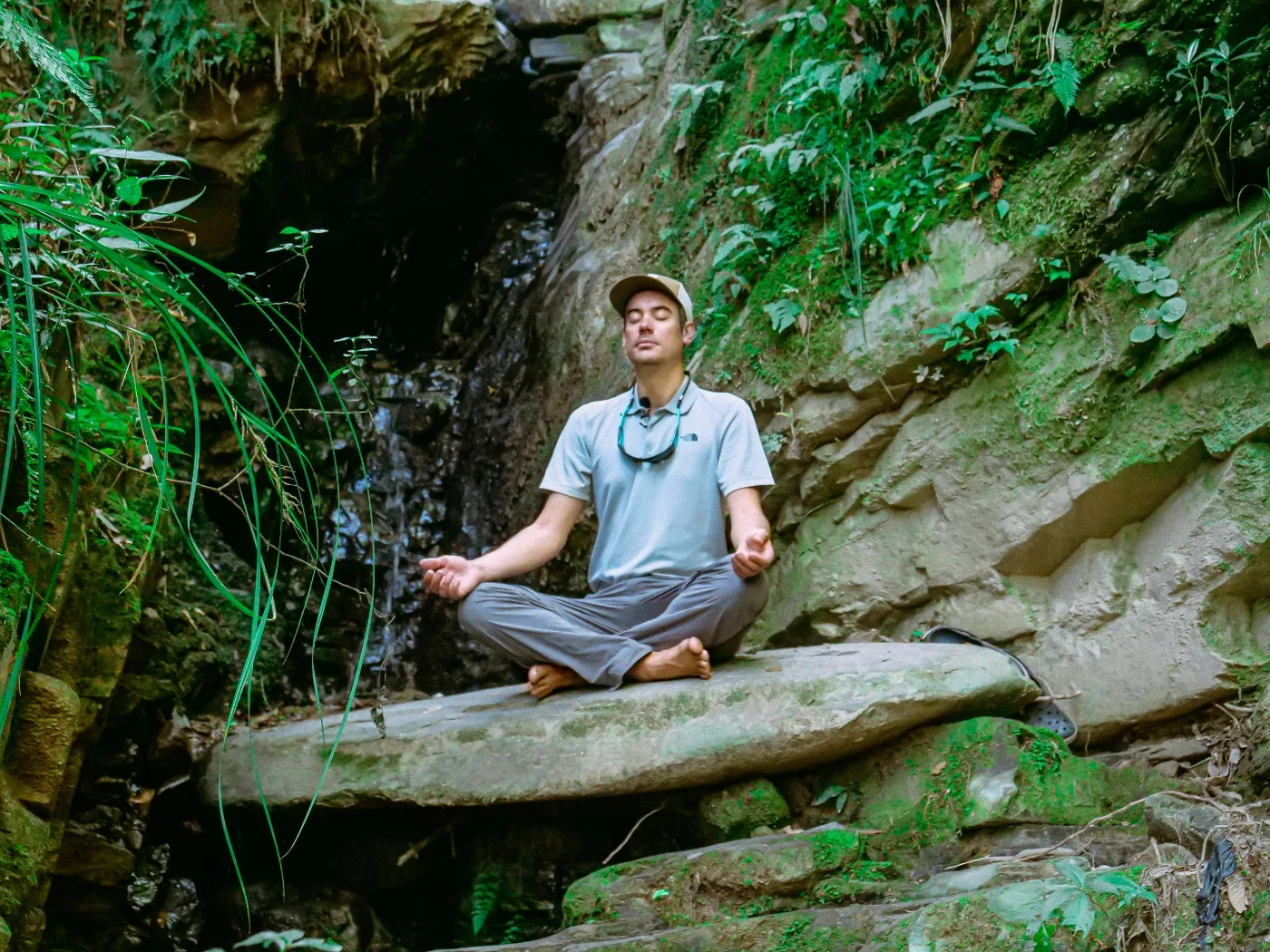
Give your nervous system other options. Slow breathing, with a longer breath out than in, helps switch on the body's calming response. Regular movement, daylight, decent sleep and less caffeine all lower everyday anxiety.
Get help with the anxiety itself. Cognitive behavioural therapy (CBT) is one of the most researched treatments for anxiety. It helps you notice the thoughts that wind you up and practise responding to them differently, so you're not relying on a drink to do it.
Stay safe if you drink heavily. If you drink every day, or get shaky or sweaty when you stop, talk to a doctor before cutting down suddenly. Alcohol withdrawal can be dangerous, and medical support makes it safer.
How we work with this at Holistic Recovery Bali
A lot of people come to us after years of using alcohol to manage anxiety that nobody ever really looked at. We understand that the drinking made sense. It was the quickest way to feel okay.
Because we work with one client, or one couple, at a time, there's room to treat the anxiety and the drinking together, with one team and one plan. That means holding space for the anxiety as it shows up, especially in the first weeks without alcohol, and not rushing you through it. It also means one-to-one CBT and DBT to build new ways of handling anxious thoughts, breathwork and mindfulness to settle the body, and psychiatric input where it's needed.
The goal is for you to feel calm without needing a drink to get there.
If you'd like to talk about what's been going on, the first call is free and confidential.
Anxiety treatment in Bali · Alcohol rehab in Bali · WhatsApp +62 811 3880 4006 · Australia toll-free 1800 329 014
This article is general information, not medical advice. If you're struggling with anxiety or drinking, please talk to a doctor or mental health professional. If you're in crisis, call 000 in Australia (Lifeline 13 11 14), 112 in Indonesia, or your local emergency number.
Sources
National Institute on Drug Abuse: Co-Occurring Disorders and Health Conditions
NHMRC: Australian guidelines to reduce health risks from drinking alcohol

Comments