

For many people, ketamine and MDMA start as part of a night out. Over time the nights get longer, the comedowns get harder, and using spreads into weekdays, alone, or just to cope. Ketamine in particular has become a growing problem, with more people finding they can't stop and facing serious health effects.
Holistic Recovery Bali offers private treatment for ketamine, MDMA and other party drug addiction in Bali. You get one-to-one therapy, support for your physical and mental health, and space away from the scene and the people tied to using.
Understanding ketamine and MDMA addiction
Ketamine
Ketamine is an anaesthetic that, at lower doses, causes a detached, dream-like state, often called a "K-hole" at higher doses. Tolerance builds quickly, so people use more and more often. Regular use can lead to dependence, with strong cravings, low mood and anxiety between doses.
Heavy ketamine use can seriously damage the bladder and urinary tract. Symptoms include needing to urinate often and urgently, pain, and blood in the urine. Abdominal pain, sometimes called "K-cramps", is also common. Stopping early gives the body the best chance to recover.
MDMA (ecstasy)
MDMA releases large amounts of serotonin, the brain chemical linked to mood, closeness and wellbeing. That's what causes the high, and also the comedown: low mood, anxiety and exhaustion in the days after. With regular use, some people start using to escape those lows, and the cycle becomes hard to break.
Mixing drugs
Party drug use rarely involves one substance. Ketamine and MDMA are often taken with alcohol, cocaine, GHB or other drugs, which raises the risks. Our assessment looks at everything you use, so your treatment covers the full picture.
Why it's not about willpower
Ketamine and MDMA affect the brain's reward and mood systems. Many people who come to us were using to feel connected, confident or calm, or to escape stress, loneliness or trauma. Treatment works by addressing those needs, not just the drug.
Ketamine and your bladder: warning signs
Regular ketamine use can inflame and damage the bladder and urinary tract, a condition often called ketamine bladder or ketamine uropathy. The earlier it's caught and ketamine is stopped, the better the chance of recovery.
Warning signs
- Needing to urinate much more often, including at night
- Sudden, urgent need to go, sometimes with leaking
- Pain or burning when urinating, or pain in the lower abdomen
- Blood in your urine
- Abdominal cramps ("K-cramps")
What to do
- Don't ignore it. See a doctor, and be honest about your ketamine use so they can test and treat you properly.
- Stopping is the most important step. For many people, symptoms improve after stopping. Severe or long-term damage may need specialist urology care.
- Pain can drive more use. Some people use more ketamine to numb the pain it causes. Breaking that cycle safely is part of treatment.
MDMA and the midweek low
MDMA releases a flood of serotonin, and afterwards the brain has less to work with for a while. That's why many people feel low, anxious, irritable or teary for a few days after using, often called the "midweek blues". If you find yourself using again to escape the low, or the lows are getting longer and deeper, it's a sign the pattern is taking hold.
Signs it might be time for help
- You use on weekdays, alone, or to get through the day
- You need more to get the same effect
- You feel low, anxious or empty between uses
- You've tried to cut down and couldn't
- You've had bladder pain, urgency or "K-cramps"
- Your work, relationships or money are suffering
- Your social life revolves around using
What withdrawal is like, and how we keep you safe
Ketamine and MDMA withdrawal are mainly psychological rather than physically dangerous. Common symptoms include cravings, low mood, anxiety, poor sleep, tiredness and trouble concentrating. If you've been using alongside alcohol, benzodiazepines or GHB, withdrawal can be more serious and needs medical supervision.
At HRB, you're assessed before arrival and monitored throughout. Our psychiatrist, Dr I Gusti Rai (SpKJ), makes all medication decisions. If you have severe bladder or urinary problems from ketamine, these need to be treated medically before admission, so we'll ask about them during your first call.
How we treat ketamine and MDMA addiction
For the mind
- CBT: understanding your triggers and patterns, and building new ways to relax, socialise and cope.
- DBT skills: managing cravings, low mood and strong emotions.
- Trauma-informed counselling: working on what using helped you escape.
- Relapse prevention: a written plan for festivals, nights out, friendships and stress.
For the body
- Medical review: including bladder and urinary health where ketamine is involved.
- Sleep and rest: a calm routine to reset your body clock after months of late nights.
- Movement: gym sessions, swimming, yoga and walks to rebuild energy and mood naturally.
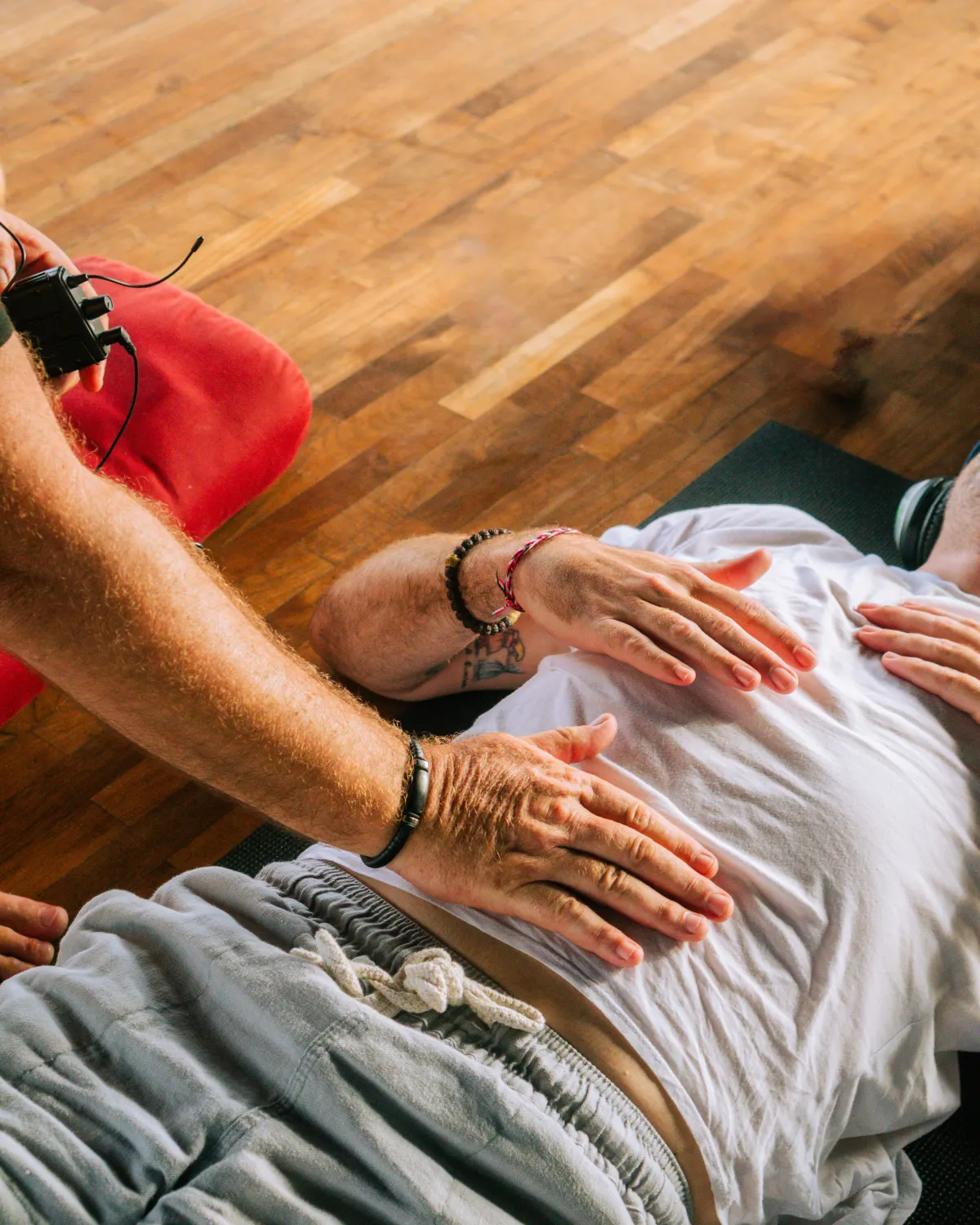
- 9D Breathwork and mindfulness: calming anxiety and reconnecting with your body without drugs.
- Nutrition: meals from our on-site chef.
For your life
- A new social life: practical support for friendships, dating and going out without using.
- Family support: helping the people closest to you understand and support you.
- Aftercare: a written plan, referrals in your home country and ongoing check-ins.
Why these therapies work: what the research says
- Therapy is the main treatment. There's no medication approved specifically for ketamine or MDMA addiction. Talking therapies such as CBT are the core of treatment.
- Ketamine harms the bladder. Australia's Alcohol and Drug Foundation notes that regular ketamine use can cause serious bladder and urinary problems, which can improve after stopping.
- Tolerance to ketamine builds fast. The Alcohol and Drug Foundation notes that regular ketamine users can quickly need more to get the same effect, which drives more frequent, heavier use.
- MDMA dependence is real for some people. The US National Institute on Drug Abuse notes that research is mixed on how addictive MDMA is, but some people who use it report signs of addiction, including continued use despite harm, and withdrawal symptoms such as fatigue, low mood and trouble concentrating.
Why people choose HRB
- One client at a time. Or one couple. Total privacy, with no groups.
- No judgement. Our team includes people in recovery themselves. Nev has been in recovery since 2002, and Bimbim is a certified addiction counsellor in recovery too.
- Mental health care built in, with psychiatrist Dr I Gusti Rai and counsellor David Elsey.
- Distance from the scene, in a calm, private setting.
Your programme
- Programme lengths: 28, 60 or 90 days.
- Investment: IDR 346,000,000 for the 28-day Tailored Retreat. Ask us about pricing for 60 and 90 days.
- Aftercare included, plus the option of our separate 4-Week Outpatient Care Package in Bali.