
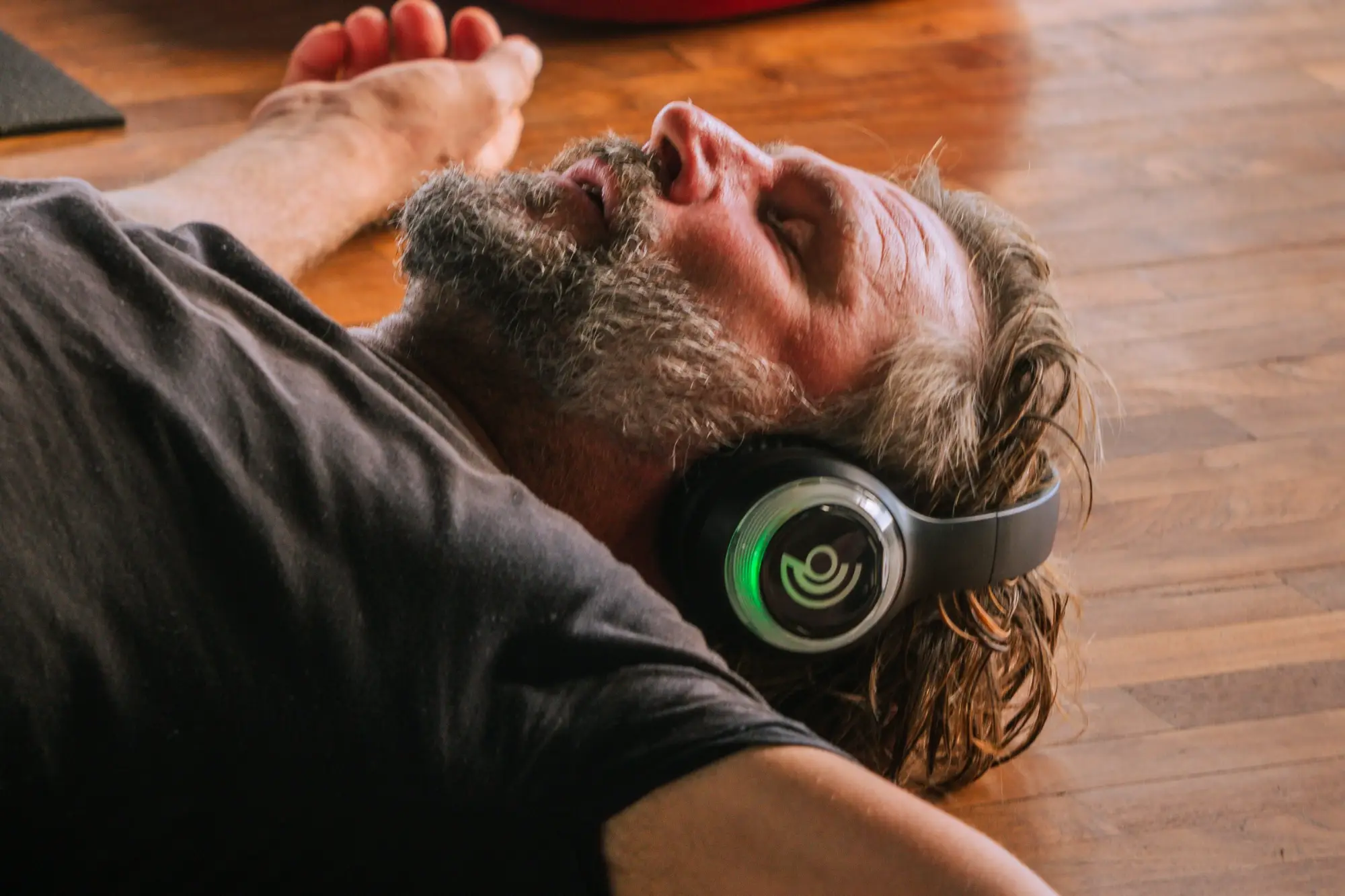
Stopping alcohol or drugs is often the part people fear most. For some substances it's just very uncomfortable. For others, especially alcohol and benzodiazepines, stopping suddenly can be dangerous. Either way, you shouldn't have to do it alone.
Holistic Recovery Bali offers medically supervised detox in Bali as the first stage of a full treatment programme. Your detox is planned before you arrive, overseen by our psychiatrist, and followed straight away by one-to-one therapy, so the work of recovery starts while your body heals.
What is medical detox?
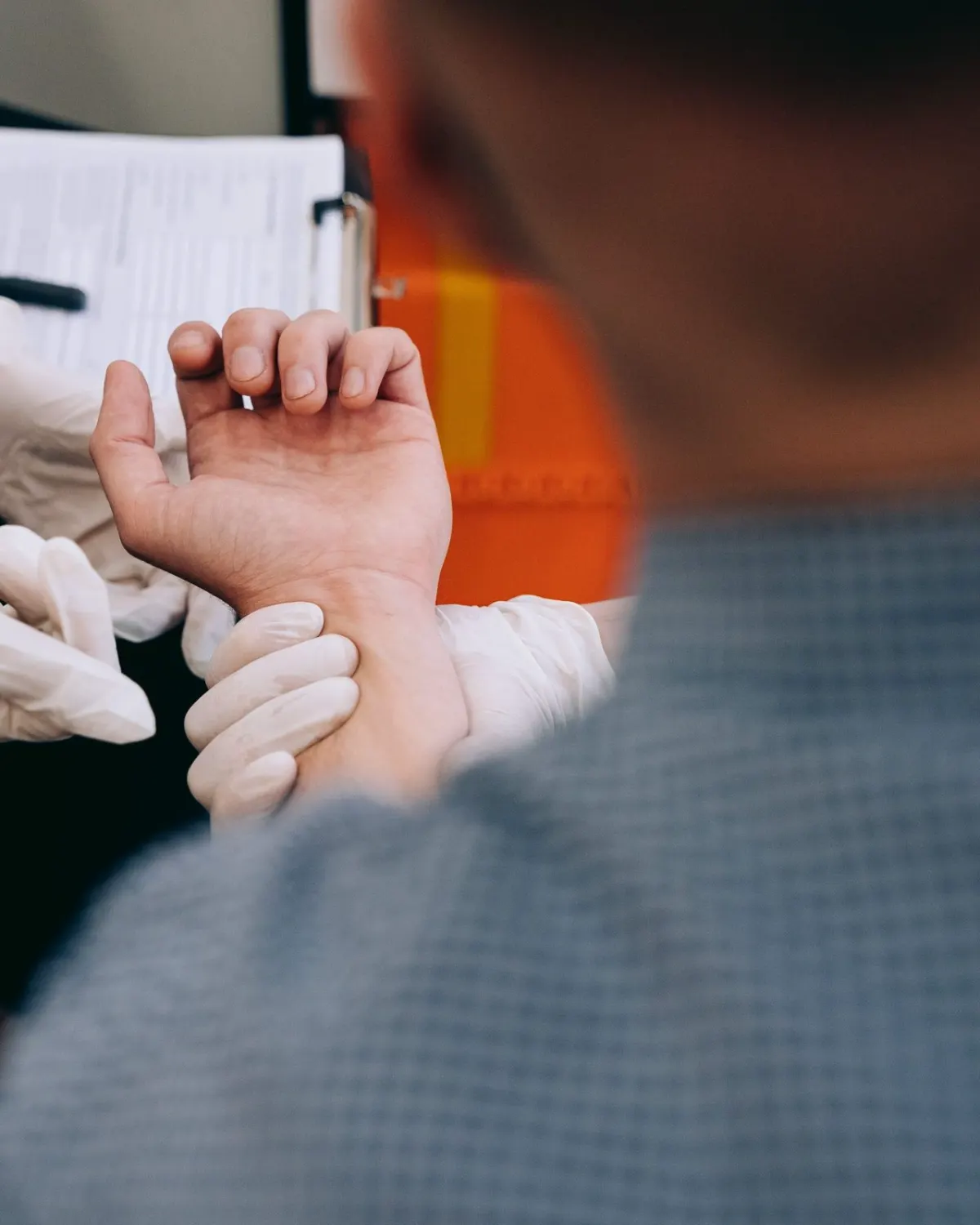
Detox, or withdrawal management, is the process of safely clearing alcohol or drugs from your body while managing withdrawal symptoms. "Medical" means it happens under clinical supervision, with assessment, monitoring and medication where it's needed.
Detox is the start of treatment, not the whole of it. As the US National Institute on Drug Abuse puts it, medically assisted detox is only the first stage, and on its own it does little to change long-term use. That's why every HRB detox leads straight into therapy and aftercare.
Which substances need medical detox?
- Alcohol: withdrawal can cause tremors, sweating, anxiety and, in severe cases, seizures or delirium tremens (DTs). It should always be medically assessed.
- Benzodiazepines (such as Xanax, Valium or Klonopin): stopping suddenly can cause seizures. Withdrawal needs a slow, supervised taper.
- Opioids (such as oxycodone, codeine, tramadol or heroin): withdrawal is rarely life-threatening on its own but very uncomfortable, and overdose risk rises after detox.
- Stimulants (such as ice, meth or cocaine): withdrawal is mainly psychological, with exhaustion, low mood and strong cravings.
- Sleeping tablets, GHB and mixed use: these can carry serious withdrawal risks and need careful planning.
Why detoxing alone can be risky
Your body adapts to regular alcohol or drug use. When you stop suddenly, it can overcorrect. For alcohol and benzodiazepines, that rebound can affect the brain's electrical activity and lead to seizures. Even when withdrawal isn't dangerous, the discomfort and cravings mean many people go back to using just to make it stop. Supervision makes detox safer and makes it far more likely you'll get through it.
Signs you may need medical detox
- You drink or use every day, or most days
- You get shaky, sweaty, anxious or sick when you cut down
- You need a drink or dose in the morning to feel normal
- You've had a seizure, hallucinations or confusion when stopping before
- You're using more than one substance, such as alcohol with sleeping tablets
- You've tried to stop at home and couldn't
How detox works at HRB
1. Assessment before you arrive. We talk through what you're using, how much, for how long, your health history and any past withdrawals. This lets us plan your detox safely, or tell you honestly if you need a different level of care first.
2. A plan made for you. Our psychiatrist, Dr I Gusti Rai (SpKJ), makes all medication decisions. Where it's appropriate, medication is used to ease symptoms and reduce risk, then tapered as you stabilise.
3. Monitoring throughout. During detox you're never on your own. A nurse can stay overnight, our team is on site 24 hours a day, and emergency medical support is right next door. Your care is adjusted as you go.
4. Comfort and rest. A private room, nourishing meals from our on-site chef, plenty of fluids and quiet. You don't need to do anything except rest.
5. Therapy starts as you're ready. As symptoms ease, gentle one-to-one sessions begin. By the time detox is done, your recovery is already under way.
If you need hospital care: if anything changes and you need medical care beyond what we provide, you're taken to hospital straight away.
How long does detox take?
It depends on what you're using, how much, for how long, and your health. As a rough guide:
| Substance | When symptoms start | Peak | How long it usually lasts | Main risks |
|---|---|---|---|---|
| Alcohol | 6 to 24 hours after the last drink | Days 1 to 3 | About a week | Seizures and delirium tremens in severe cases |
| Benzodiazepines | 1 to 7 days, depending on the drug | Varies | A safe taper can take weeks or months | Seizures if stopped suddenly |
| Opioids | 8 to 36 hours, depending on the drug | Days 2 to 4 | 1 to 2 weeks | Dehydration, relapse, overdose after detox |
| Stimulants (ice, cocaine) | Within a day | First few days (the crash) | Low mood and cravings can come and go for weeks | Low mood, suicidal thoughts, relapse |
| Cannabis | 1 to 2 days | First week | 2 to 4 weeks; sleep can take longer | Relapse; not physically dangerous |
| GHB | Within hours | Days 1 to 3 | Up to 2 weeks | Can be severe and dangerous; needs close medical care |
Every detox is different. These are rough patterns from clinical guidance, not a promise of how yours will go. How much you've been using, for how long, what else you take and your overall health all change how withdrawal unfolds. We can't tell you you'll feel fine by a certain day, and we won't pretend to. What we can do is assess you properly and stay with you through it.
Detox happens within your programme, so you don't pay for it separately and you don't leave when it ends.
Detox is the beginning, not the end
For the mind
- CBT and DBT: managing cravings, stress and emotions without alcohol or drugs.
- Trauma-informed counselling: working on what sits underneath.
- Relapse prevention: a written plan for your own triggers.
For the body
- 9D Breathwork and mindfulness: calming the nervous system once acute withdrawal has passed.
- Movement: gentle at first, building to gym sessions, swimming and walks.
- Nutrition and sleep: repairing what substances have taken from the body.
For your life
- Family support, so home is ready for you.
- Aftercare: a written plan, referrals in your home country and ongoing check-ins.
What the research says
- Supervised withdrawal is safer. Clinical guidance, including from the American Society of Addiction Medicine and the UK's National Institute for Health and Care Excellence (NICE), recommends that people at risk of moderate or severe alcohol withdrawal are assessed and managed with medical support.
- Detox alone isn't enough. The US National Institute on Drug Abuse says detox is only the first stage of treatment, and lasting change comes from the therapy and support that follow.
- Tolerance drops after detox. After a period without opioids or other depressants, tolerance falls quickly. Going back to a previous dose can cause an overdose, which is why every client leaves with an overdose-safety plan.
Why people choose HRB for detox
- One client at a time. Or one couple. All the team's attention is on you.
- Psychiatrist-led medication decisions, by Dr I Gusti Rai (SpKJ).
- Detox and therapy in one place, with no gap between the two.
- A private, comfortable setting, not a hospital ward.
Your programme
- Programme lengths: 28, 60 or 90 days, with detox included where needed.
- Investment: IDR 346,000,000 for the 28-day Tailored Retreat. Ask us about pricing for 60 and 90 days.
- Aftercare included, plus the option of our separate 4-Week Outpatient Care Package in Bali.